Holding the Smallest Hearts in the Biggest Moments

There is a space that exists after death that most of us have never been taught how to enter. It is slow. It is quiet. It is deeply human. We are called into this space, not to take control, but to walk beside families as they navigate death in a way that feels honest, connected, and uniquely their own.
In the sacred space of supporting families when their babies die, one of the most tender and complex questions we are invited to hold that is a common thread in our work, is:
“How, or whether, to include their children?”
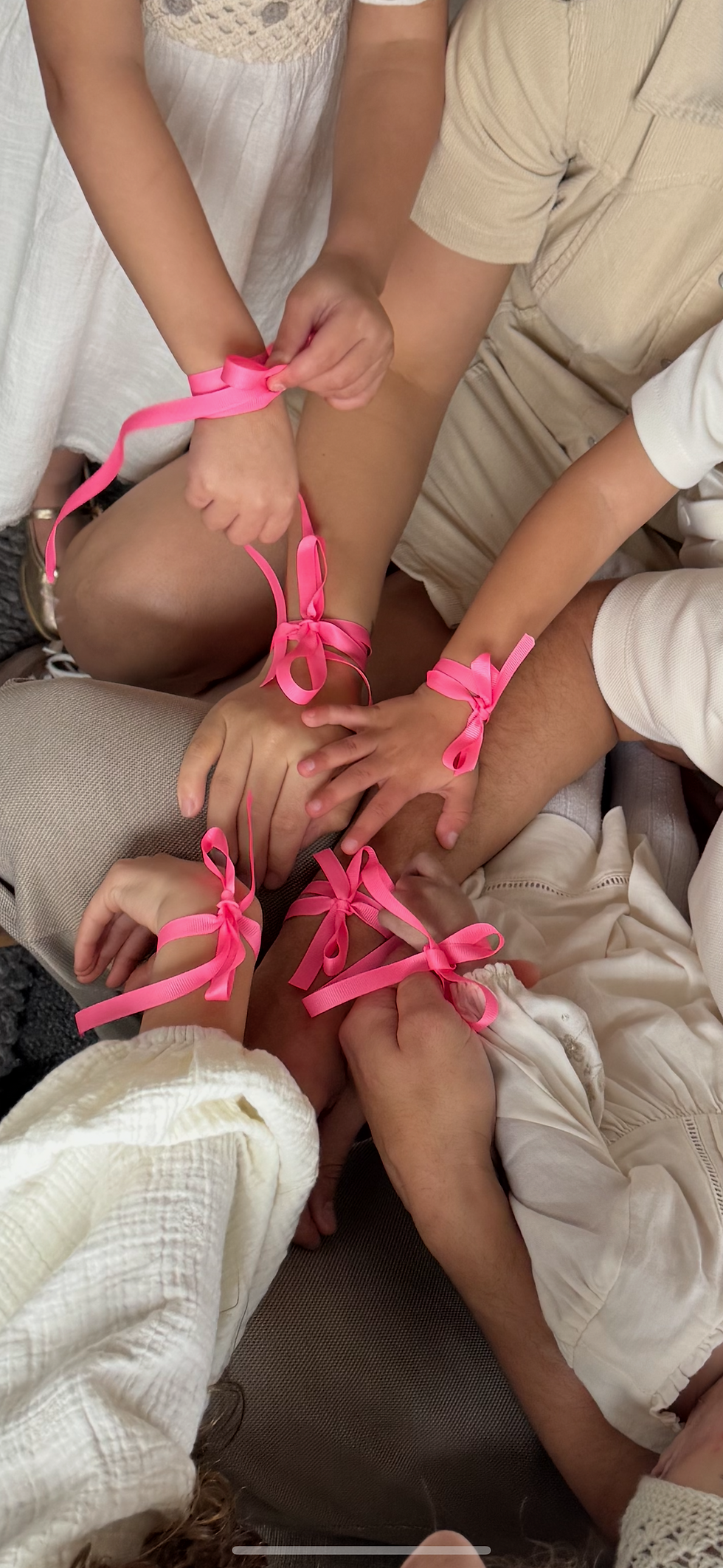
When a baby or child dies, or a sibling, families face decisions that can feel impossible. There is no script. No right way. Only love and the deep desire to protect.
Time and again, we meet families unsure of what path to take, looking to us for guidance. This is an immense honour, but it also carries profound responsibility, the responsibility to meet each family where they are, and to tailor support to their unique needs.
Parents often ask:
“Will this be too much for them?”
“Should they see their sibling?”
“What if we get this wrong?”
“Will they be scared or traumatised?”
Frequently, there are differing perspectives within the family. One parent may feel instinctively that children should be included, while another may feel equally compelled to shield them. Both responses come from love. Yet beneath this sits something even bigger:
a culture that has largely lost its relationship with death.
In modern society, death can feel clinical, hidden, and often feared. As a result, we have lost confidence in supporting children through grief, in trusting their capacity to witness and process death.
The default becomes protection, silence, or keeping things light. But children are never outsiders to grief, they are part of the family, part of the love, and part of the death. What they need is not to be shielded from death, but to be gently supported within it.
What many don’t see is the intensive, heart-led work that unfolds behind these conversations. This is not a checklist. It is not a quick decision. It is:
Sitting with families for as long as needed
Gently exploring fears, beliefs, and past experiences
Holding space for differing views between parents
Offering guidance without ever taking choice away
We bring information. We offer options. We share what we have witnessed. But above all, we bring presence, a steady, grounded presence that allows families to move from fear into clarity, at their own pace.
Language is one of our most powerful tools. Not language that hides death, but language that honours it. Clear. Gentle. Honest. We guide families away from euphemisms that confuse children and toward words that help them understand what has happened in a way that feels safe and real. Children do not need perfection. They need truth they can trust, space to ask questions, and permission to feel what they feel. When children are held with care, parents can trust that their little ones are capable of being part of this experience.
Inclusion does not mean exposure without support. It means choice, preparation, and gentle guidance. It might look like:
Sitting with their sibling and spending time together
Drawing pictures or writing letters
Helping choose meaningful items or clothing
Taking part in rituals in ways that feel right for them
Having the freedom to engage, or step back, as they need
There is no single right way, only the way that feels aligned for that child, for that family, in that moment. Each family, each child, is unique, and our role is to support individualised care built on trust and rapport.
We meet families at a point of fear and devastation, fear of doing harm, fear of making the wrong choice, fear of judgment. But with time, support, and gentle guidance, something shifts. Families move toward confidence in their choices, trust in their children, and a deeper connection to the process. What unfolds can be profoundly transformative. Siblings sit quietly beside their brother or sister, ask questions with natural curiosity, express grief in their own unique way, and create memories that become part of their story, not something hidden from it.
Within the broader movement of family-led, holistic after-death care, death does not need to be feared or avoided. It can be met with honesty, tenderness, and presence.
When children are included in death with care, we are doing more than supporting a single moment. We are shaping how they will understand love, loss, grief, and connection for the rest of their lives. Change happens not through grand gestures, but through gentle, informed, heart-led guidance in the moments that matter most.
This is the work we are deeply honoured to do, day in and day out to make change our society deserves.


Comments